
How to Pray for Personal Revival: Biblical Keys to Revive a Cold Heart
"Will You not revive us again, that Your people may rejoice in You?"
— Psalm 85:6
How do you pray for personal revival?
To pray for personal revival, the Bible reveals a 4-part formula in 2 Chronicles 7:14 that has never failed:
- Humble yourself — admit you cannot revive yourself
- Pray — turn the cry into a sustained, specific intercession
- Seek His face — pursue God's presence above His hand
- Turn from wicked ways — repent of every revival-blocker
- Then God promises to hear, forgive, and heal the land
Key Scripture: 2 Chronicles 7:14 — "If My people who are called by My name will humble themselves, and pray and seek My face, and turn from their wicked ways, then I will hear from heaven, and will forgive their sin and heal their land."
"Will You not revive us again, that Your people may rejoice in You?"
— Psalm 85:6 (NKJV)A Word from Sanmi Dawodu
If you're searching for how to pray for personal revival, you're not alone. Many believers sense their walk has dimmed and corporate revival feels distant — but the Bible insists revival begins in one heart at a time, and the keys are clear and accessible.
The word 'revival' has been so overused in religious culture that it has nearly lost its meaning — reduced to a series of special church services, a guest speaker, or a week of evening meetings. But the biblical concept of revival is far more radical, far more personal, and far more transformative than anything a church programme can manufacture. Revival, at its core, is the sovereign visitation of the living God upon people who were spiritually dead or dying, resulting in a re-awakening of divine life that changes everything it touches.
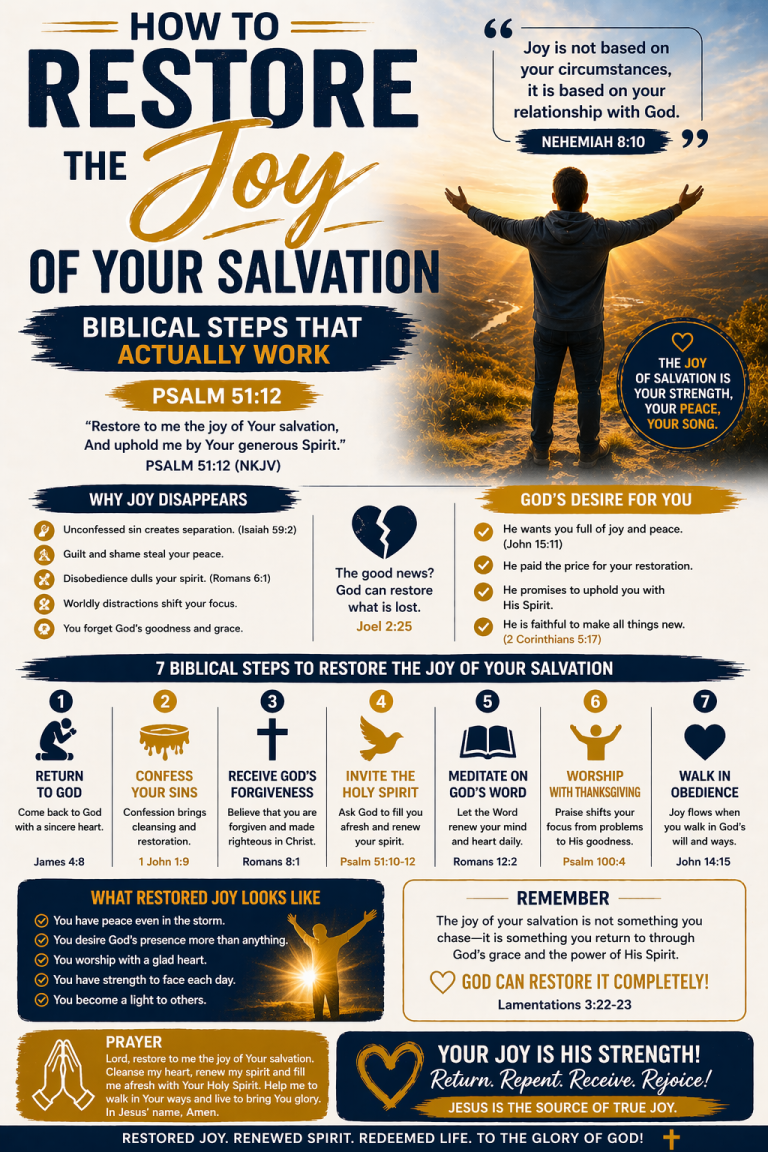
Psalm 85:6 places the prayer for revival in its most fundamental context: 'that Your people may REJOICE in You.' Not that Your people may increase in church attendance. Not that Your people may improve their moral behavior. Revival produces rejoicing — the overflow of encountering the living God in His fullness. And today, before we pray for national revival or church revival, we pray for the most foundational revival of all: revival in the heart.
What Is the Biblical Meaning of Revival?
The biblical meaning of revival is to restore to life what is dying. The Hebrew word chayah means "to live, to make alive, to revive." Psalm 85:6 assumes that something which once lived has lost its life — and pleads for God to restore it. Revival is not the creation of something new; it is the resurrection of something dying.
Yesterday in Day 9 we recovered the holy hunger; today that hunger turns into prayer for revival. The full 40 Days of Prayer series carries that revival into every area of life.
The Biblical Meaning of Revival: To Restore What Is Dying
The Hebrew word at the root of Psalm 85:6 is 'chayah' — to live, to revive, to give life, to restore to life. Revival is literally a return of life to what was dying or dead. It is the spiritual equivalent of the resurrection — what was buried, cold, and motionless, suddenly breathing, warm, and alive again. The great 18th and 19th century revivals — the Great Awakening under Jonathan Edwards and George Whitefield, the Welsh Revival of 1904 under Evan Roberts, the Azusa Street Revival of 1906 — were all marked by this same supernatural quality: people who were spiritually alive in name only suddenly encountered the living God and were transformed beyond recognition.
But every great corporate revival in history began the same way: in one person's heart. The Welsh Revival of 1904 began with Evan Roberts spending hours alone in prayer, wrestling with God for the fire of the Spirit. The Azusa Street Revival began with William J. Seymour praying for hours in a small home prayer meeting. Every river of corporate blessing has its source in one spring of personal encounter. The revival you are asking God to send to your church, your city, and your nation must begin in you.
The Anatomy of a Revived Heart
What does a revived heart look like? Acts 2 gives us the clearest picture. After Pentecost, those who received the Spirit continued 'steadfastly in the apostles' doctrine and fellowship, in the breaking of bread, and in prayers' (Acts 2:42). They sold possessions and distributed to anyone who had need. They worshipped daily in the temple. They ate together with gladness and simplicity of heart. They were praising God and having favor with all the people. And the Lord added to the church daily those who were being saved (Acts 2:47).
💡 Marks of Revival: A revived heart is marked by: insatiable hunger for the Word, genuine love for other believers, spontaneous generosity, daily worship as a lifestyle, fervent prayer, deep joy, and an irresistible witness that draws others toward God. These are not the products of discipline alone — they are the natural overflow of a heart that has been genuinely revived.
The 2 Chronicles 7:14 Formula for Revival
Second Chronicles 7:14 is perhaps the most quoted verse about revival in all of Scripture, and it remains the most precise description of the conditions God requires: 'If My people who are called by My name will humble themselves, and pray and seek My face, and turn from their wicked ways, then I will hear from heaven, and will forgive their sin and heal their land.' Four conditions are named — and every one of them is a posture of the heart:
HUMBLE THEMSELVES: Revival begins where pride ends. The person who is too sophisticated, too educated, or too theologically advanced to prostrate themselves before God will not receive the visitation they are seeking. Humility is the prerequisite posture for every move of God.
PRAY: Not casual, scheduled, agenda-driven prayer — but the kind of prevailing, persistent, tear-soaked, heaven-reaching prayer that Jacob modeled at Jabbok: 'I will not let You go unless You bless me' (Genesis 32:26). Revival prayer is not polite. It is desperate.
SEEK MY FACE: There is a crucial distinction between seeking God's hand (His provision, blessing, miracles) and seeking His face (His presence, His person, His character). Revival comes when God's people stop using Him as a means to other ends and begin pursuing Him as the end Himself.
TURN FROM THEIR WICKED WAYS: Repentance — genuine, specific, behavioral repentance — is the non-negotiable condition. 2 Chronicles 7:14 is addressed to 'My people' — God's people, the Church. The primary hindrance to revival is not the paganism of the surrounding culture; it is the unrepented sin of the praying people.
Habakkuk's Prayer: Revival in the Midst of the Years
Habakkuk 3:2 is one of the most urgent revival prayers in all of Scripture. The prophet has just received a devastating vision of coming judgment — the Babylonian armies descending on Judah, the nation destroyed, the people exiled. And yet, in the face of this coming catastrophe, his prayer is not primarily for deliverance but for revival: 'Revive Your work in the midst of the years!' The phrase 'in the midst of the years' is deeply significant — Habakkuk is not asking for revival in a comfortable future season. He is asking for it NOW, in the middle of difficulty, in the midst of the years of waiting and judgment.
This is the prayer for revival in hard seasons — when circumstances are unfavorable, when the culture is hostile, when the church is struggling, when personal life is difficult. 'In the midst of the years — make it known.' The most powerful revivals in history have come not in seasons of ease but in seasons of desperation. The harder the year, the more urgent the prayer — and the more dramatic the divine response.
"For thus says the High and Lofty One who inhabits eternity, whose name is Holy: 'I dwell in the high and holy place, with him who has a contrite and humble spirit, to revive the spirit of the humble, and to revive the heart of the contrite ones.'"
— Isaiah 57:15 (NKJV)Personal Revival That Spreads to Others
Fire is contagious. A revived heart cannot contain its fire — it spreads through every relationship, every conversation, every act of service. The disciples at Pentecost did not take a class on evangelism before they witnessed. They were set on fire — and fire attracts attention without apology. Acts 2:47 records: 'the Lord added to the church daily those who were being saved.' Not through a marketing campaign. Not through a programmatic outreach. Through the irresistible overflow of a genuinely revived community.
The prayer 'revive me' is never a selfish prayer. Every individual revival ripples outward with effects that cannot be predicted or contained. William Wilberforce's personal encounter with God transformed not just his own soul but the entire institution of slavery in the British Empire. The revival that begins in your heart today may reach your family this week, your church this month, and your city this year. Revival always begins personally. It never ends privately.
The God Who Revives: Why You Can Pray with Confidence
Isaiah 57:15 gives us the most breathtaking description of God's relationship to revival: the High and Lofty One who inhabits eternity — the transcendent, infinite, omnipotent God — specifically chooses to dwell with the humble and contrite, for the purpose of reviving them. The infinite God makes His home in the finite heart of the broken believer, specifically to revive what has died. This is not a distant, occasionally available God who sometimes revives. This is a God whose very indwelling purpose is revival. He dwells with the humble in order to revive them. If you are humble and contrite before Him today — revival is not a future hope. It is a present reality.
🙏
Altar Call: How Personal Revival Becomes a Move of God
Day 10 of Week 2 calls you forward — not into intellectual agreement with what you have read, but into actual surrender. Revive Us Again is not a topic to study; it is an invitation to receive.
Revival begins in one heart and spreads from there. Tomorrow we move into Day 11: How to Be Filled with the Holy Spirit Daily — the daily infilling that keeps a revived heart full.
Receive what God has been speaking to you today. Pray the prayer below from your heart.
A Prayer for Revive Us Again
Lord, will You not revive us again? I do not ask for someone else first. Begin with me.
I humble myself before You. I pray. I seek Your face. I turn from every wicked way I am aware of, and I ask You to surface every one I am not.
Hear from heaven. Forgive my sin. Heal my heart, my home, my generation. Send revival, and let me be the spark You light first. In the name of Jesus, Amen.
Frequently Asked Questions
What does Psalm 85:6 mean?
What is the meaning of 2 Chronicles 7:14?
What is the difference between revival and salvation?
Can a single Christian experience personal revival?
How long does it take to experience revival?
Revival does not start with a crowd. It starts with one heart. Let yours be that heart today.
Continue the 40-Day Journey
Access all 40 daily sermon packs, 30-point prayer sets, and Spirit-led devotionals at Sanmi Dawodu Ministries.
Explore the Full Prayer Series →Continue the 7-Day Week 2 Series
Each day of Week 2 builds on the one before. Read the full Spiritual Renewal series at sanmidawodu.org/40-days-prayer.
- Day 8:How to Receive Fresh Fire from God: Biblical Steps to Reignite Your Spirit
- Day 9:How to Hunger for God: The Holy Hunger That God Always Satisfies
- Day 11:How to Be Filled with the Holy Spirit Daily: Biblical Steps to Stay Continuously Filled
- Day 12:How to Hear God's Voice Clearly: Biblical Steps That Tune Your Spirit
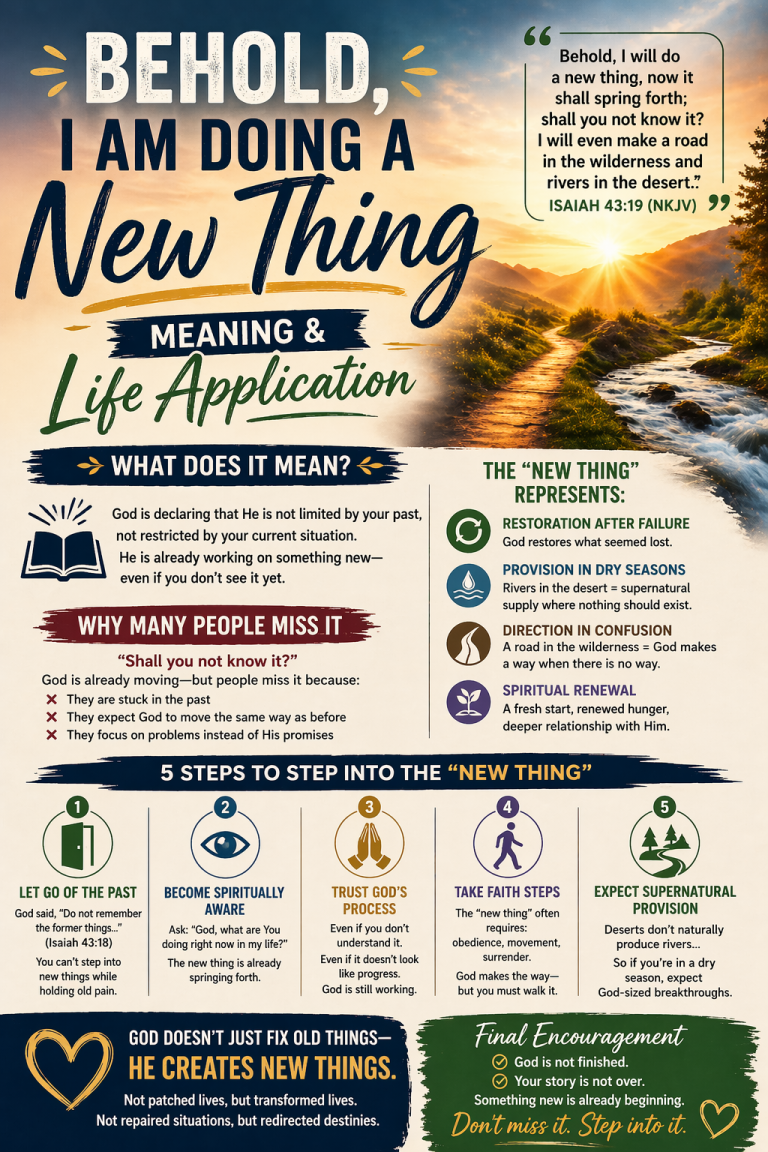
- Day 13:New Beginning: How to Recognize and Step Into God's New Thing
- Day 14:How to Develop a Deeper Prayer Life: Biblical Steps That Actually Work
Building on Week 1: Repentance & Cleansing
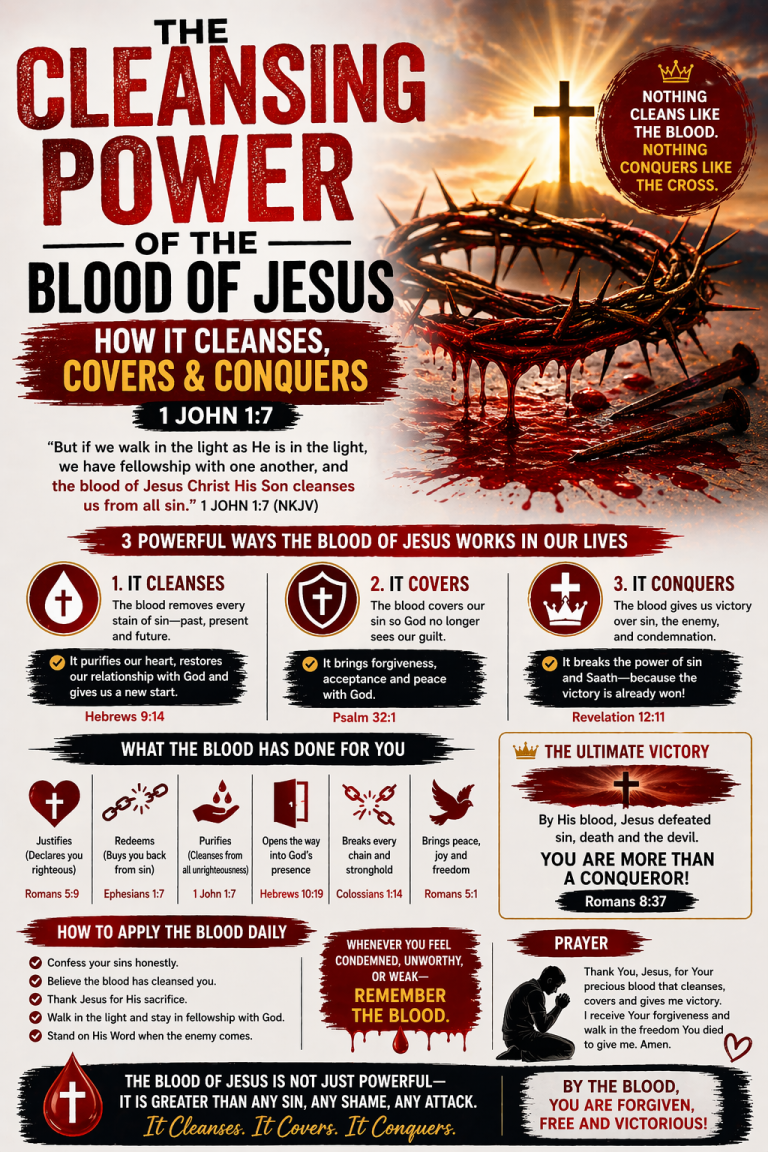
This week's journey of renewal stands on the foundation laid in Week 1. If you missed it, start here: